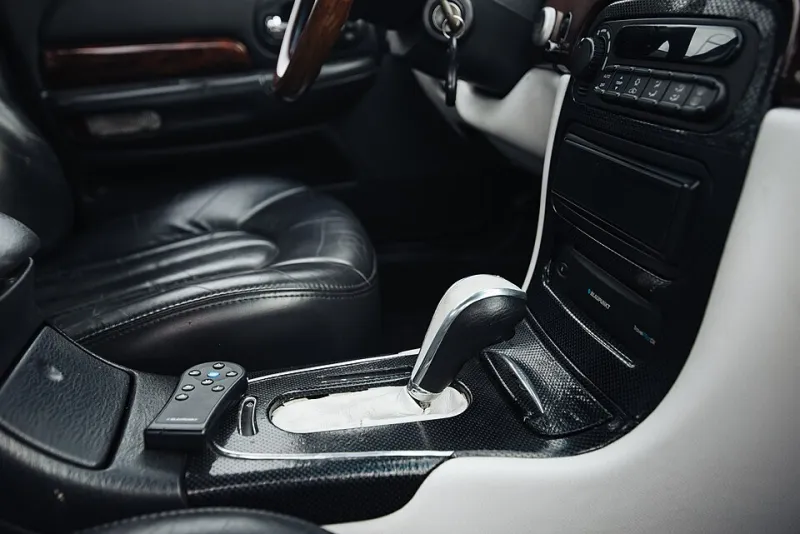
Your Dashboard Is Snitching: Inside the Data Goldmine Hiding in Modern Cars
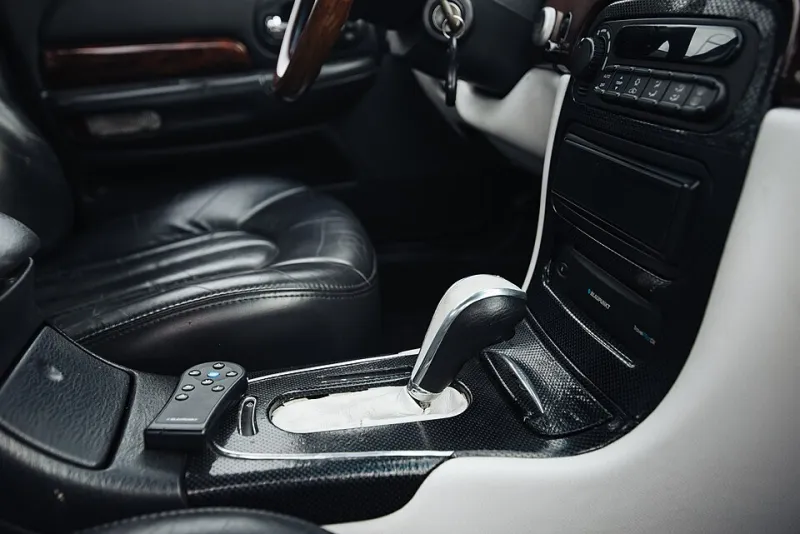
Photo: Shixart1985, CC BY 2.0, via Wikimedia Commons
Remember when the most private thing your car knew about you was the gas station receipt stuffed in the door pocket? Those days are long gone. If you bought or leased a vehicle in the last five years, chances are you're driving a rolling data collection platform — one that's been quietly keeping tabs on everything from your morning commute to your late-night fast food runs.
And no, this isn't conspiracy territory. It's business. Very profitable business.
What Your Car Is Actually Recording
Modern connected vehicles — think late-model Chevys, Toyotas, Fords, BMWs, pretty much anything with a companion app — collect a staggering amount of information:
- Location history. Not just GPS directions you asked for, but a running log of where the car goes, even when you're not navigating anywhere.
- Driving behavior. Hard braking, rapid acceleration, speeding, cornering force, seatbelt use, time of day. Telematics systems capture all of it.
- Vehicle health. Engine diagnostics, battery status, tire pressure, fuel levels — the stuff that makes maintenance reminders convenient also paints a detailed picture of your habits.
- Infotainment activity. Connect your phone via Android Auto or CarPlay, and some systems log calls, messages, and app usage. A 2023 Mozilla Foundation report found that some vehicles even had microphones capable of capturing cabin conversations.
Mozilla's Privacy Not Included investigation rated all 25 car brands it reviewed as failing basic privacy standards. Every single one. That should tell you something about the industry's defaults.
The Insurance Connection You Probably Didn't Sign Up For
Here's the part that made national headlines: GM's subsidiary OnStar was caught sharing driving behavior data with brokers, who sold it to insurance companies. Some customers saw their premiums jump based on trips they didn't realize were being scored. Texas and other states have since filed lawsuits over the practice.
The pipeline usually looks like this: your car's telematics feed goes to the automaker's connected services platform, then to data brokers like LexisNexis or Verisk, then to insurers who use it in underwriting — sometimes without you ever knowingly enrolling in a usage-based program.
The fine print in your connected services terms of service typically permits this. And almost nobody reads those.
How to Check What You Agreed To
Every major automaker operating in the US is now required to maintain a privacy dashboard or portal under their commitments to the Automotive Industry Privacy Principles. Here's your game plan:
- Find your automaker's privacy dashboard. Search "[your brand] privacy dashboard" — most link directly from the account settings in their mobile app. GM, Ford, Toyota, Honda, Hyundai, and others all have one.
- Review your connected services enrollment. You'll see what's active: remote start, vehicle health reports, Wi-Fi, and crucially, data sharing preferences.
- Look for the data sharing toggle. After the GM backlash, several automakers added explicit opt-outs for sharing driving data with third parties. Turn it off if you don't want your driving scored.
- Cancel or disable services you never use. If you've never once used the app's remote start, that's a data feed providing you zero value.
Making the Opt-Out Request Actually Work
Under state privacy laws — California's CCPA/CPRA, Colorado, Virginia, Connecticut, and a growing list — you can formally request that a company delete your data and stop selling it. Even if you're not in one of those states, most automakers honor requests nationwide rather than maintaining two systems.
Send the request through the automaker's privacy portal or the contact listed in their privacy policy. Be specific: request deletion of telematics data, opt out of sale/sharing, and ask for confirmation in writing. Keep records of everything.
One heads-up: opting out of data sharing may disable some app features, like remote diagnostics or automatic crash notification. Decide which conveniences are worth it to you.
Practical Habits Going Forward
- Decline enrollment at the dealership. Sales staff often present connected services as mandatory — they're not. You can activate later if you want them.
- Don't pair your phone unless it's worth it. CarPlay and Android Auto are genuinely useful, but know that pairing expands what the infotainment system touches.
- Check for physical privacy settings. Some vehicles let you disable voice recording or reset stored data before you sell the car — the digital equivalent of wiping your phone.
- Watch for insurance app programs. Snapshot, DriveWise, SmartRide — these are voluntary, and declining them shouldn't affect your rate in most states. If an agent implies otherwise, get that in writing.
The Bottom Line
Your car has become one of the most invasive devices you own — arguably more so than your phone, because it doesn't just track your location, it grades your driving. The good news is that the backlash against GM and the wave of new state privacy laws have made opting out easier than it was even two years ago.
Twenty minutes with your automaker's privacy dashboard is all it takes to see what's being collected and pull the plug on the parts you never wanted. Your driving record should belong to you — not to the highest bidder.